AI Tools Blog
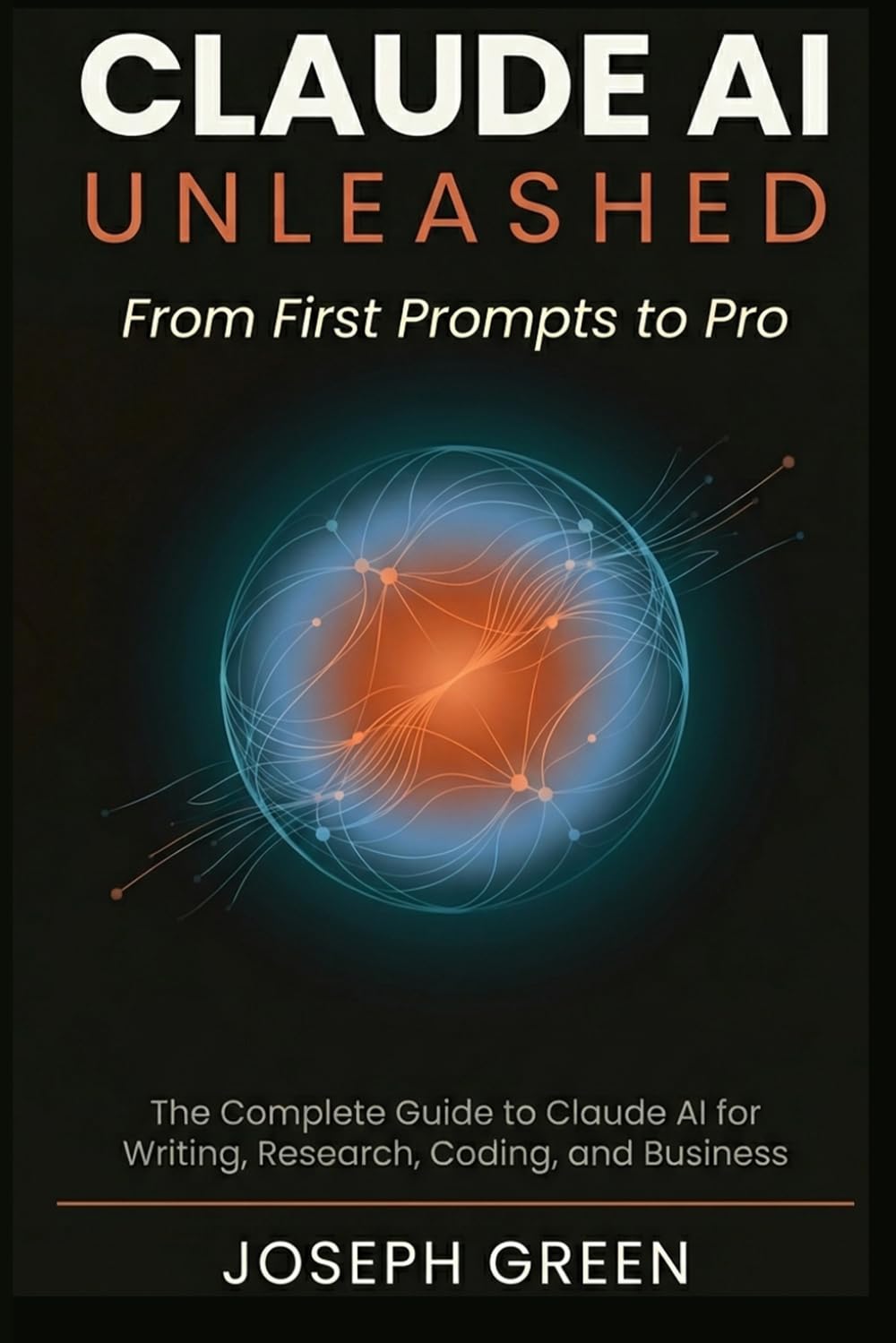
ChatGPT vs. Claude 3: Which Is Better in 2026?
The battle between top AI chatbots continues to heat up in 2026, with OpenAI’s ChatGPT and Anthropic’s Claude 3 leading the pack. Both tools are powerful, but they excel in different areas.
Core Capabilities
ChatGPT is great for writing, coding, and daily tasks. Claude 3 handles long documents like books, contracts, and research papers much better.
Best For
- ChatGPT: Writers, students, developers
- Claude 3: Researchers, lawyers, long-content users
Try ChatGPT
Try Claude 3
Top 5 AI Art Generators in 2026
AI art tools have become essential for designers, marketers, and creators. Here are the best platforms for stunning visuals.
1. Midjourney
Highest quality for artistic and realistic images. Best for professionals.
2. DALL-E 3
Best for understanding complex text prompts. Integrated with ChatGPT.
3. Stable Diffusion
Free, open-source, and fully customizable.
Try Midjourney
Try DALL-E 3
Best AI Writing Tools for Bloggers in 2026
AI writing tools help you create content faster, rank higher on Google, and beat writer’s block.
1. Jasper AI
Perfect for long blog posts, SEO content, and marketing copy.
2. Surfer SEO
Optimize your articles to rank higher on Google.
3. GrammarlyGO
Improve grammar, tone, and clarity instantly.
Try Jasper AI
Try Surfer SEO
How to Use AI Prompts to Create Stunning Art in 2026
The quality of your AI art depends almost entirely on your prompts. Even the best tools like Midjourney or DALL-E 3 won’t give you great results without a well-crafted prompt.
Key Elements of a Good Prompt
- Subject: What you want to create (e.g., "a cyberpunk city at sunset")
- Style: Artistic style or reference (e.g., "in the style of Studio Ghibli, hyper-realistic")
- Details: Lighting, composition, mood (e.g., "soft golden hour light, wide-angle shot, cinematic")
- Parameters: For Midjourney, add `--ar 16:9 --v 6` for aspect ratio and version
Example Prompt
`A futuristic floating city above the clouds, neon lights reflecting in the water, cinematic, hyper-detailed, 8k, in the style of Blade Runner 2049 --ar 16:9 --v 6`
Start simple, then add more details to refine your results. With practice, you’ll be creating professional-level art in no time.
Try Midjourney
Best AI Video Editors for Creators in 2026
AI-powered video editing tools are changing the game for creators, making it faster and easier to produce high-quality content. Here are the top options in 2026.
1. Runway ML
The gold standard for AI video tools, Runway offers features like text-to-video, motion tracking, and background removal. It’s ideal for creators looking to add professional effects to their videos.
2. CapCut
A free, user-friendly editor with built-in AI features like auto-captioning, background music suggestions, and scene detection. Perfect for social media creators on a budget.
3. Descript
Descript lets you edit video by editing the transcript, making it incredibly easy to cut out mistakes or rearrange scenes. It’s perfect for YouTubers and podcasters.
Choose the tool that fits your workflow: Runway for advanced effects, CapCut for simplicity, or Descript for transcript-based editing.
Try Runway ML
AI Tools for Students: Save Time & Boost Grades in 2026
AI tools aren’t just for professionals—they can be a huge help for students too, from writing essays to studying for exams. Here are the best tools for students in 2026.
1. ChatGPT
Use it to brainstorm essay topics, explain complex concepts, or create study guides. Just remember to use it as a tool, not a replacement for your own work.
2. Quizlet Plus
AI-powered flashcards that adapt to your learning style, helping you focus on the topics you struggle with the most.
3. GrammarlyGO
Polish your essays, improve clarity, and catch grammar mistakes. It’s like having a personal editor for every assignment.
Always use these tools ethically and responsibly—they’re meant to help you learn, not do the work for you.
Try ChatGPT
AI vs. Human Writers: Can AI Replace Bloggers in 2026?
The rise of AI writing tools has many bloggers worried about the future of their careers. While AI is powerful, it’s not a replacement for human writers—at least not yet.
What AI Does Well
- Generating first drafts quickly
- Creating content based on keywords
- Handling basic research and summarization
What Humans Do Better
- Adding unique perspective and personal voice
- Building trust and connection with readers
- Creating original ideas and storytelling
- Adapting to new trends and niche audiences
The best approach is to use AI as a tool, not a replacement. Use it to brainstorm ideas, create outlines, or polish drafts, but keep your unique voice and perspective at the core of your content.
How to Start a Profitable AI Blog in 2026
Starting an AI blog is a great way to build an audience and make money online. Here’s a step-by-step guide to getting started.
1. Choose Your Niche
Don’t just write about "AI"—niche down. For example: "AI tools for small businesses," "AI art for beginners," or "AI for students." A focused niche will help you attract a loyal audience.
2. Create High-Quality Content
Write detailed reviews, tutorials, and guides that solve problems for your readers. Focus on providing value, not just churning out posts.
3. Monetize Your Blog
- Affiliate Marketing: Promote AI tools and earn a commission for every sale
- Display Ads: Use Google AdSense to show ads on your site
- Sponsored Posts: Work with AI brands to promote their products
Consistency is key. Post regularly, engage with your audience, and focus on building trust. Over time, your blog can become a profitable passive income stream.
Best AI Tools for Small Businesses in 2026
AI tools can help small businesses save time, cut costs, and compete with larger companies. Here are the top tools for small business owners in 2026.
1. Jasper AI
Create marketing copy, social media posts, and email campaigns in minutes. Perfect for businesses without a dedicated marketing team.
2. Canva AI
Design professional graphics, logos, and social media posts with AI-powered tools. No design experience required.
3. ChatGPT
Use it to answer customer questions, write product descriptions, or brainstorm new business ideas. It’s like having a virtual assistant.
These tools are affordable, easy to use, and can make a big difference in your productivity and marketing efforts.
Try Jasper AI
AI Safety: How to Protect Your Privacy When Using AI Tools
While AI tools are incredibly useful, they also raise important privacy concerns. Here’s how to stay safe when using AI.
1. Be Careful With Personal Data
Never share sensitive information like passwords, financial details, or personal identifiers with AI tools. Even if they claim to be secure, it’s better to be safe.
2. Read the Privacy Policy
Before using a new AI tool, read its privacy policy to understand how your data is collected, stored, and used. Avoid tools that don’t have clear privacy policies.
3. Use Reputable Tools
Stick to well-known, established AI tools like ChatGPT, Midjourney, or Jasper AI. They have better security measures and are more transparent about data usage.
By being mindful of privacy, you can enjoy the benefits of AI without putting your personal information at risk.